
What is Forging?

Process The forging process involves heating the metal, then pressing or hammering it into shape. It starts by cutting a metal billet to the needed size. The billet is then heated in a furnace until it becomes very hot. Once it is hot, the billet is placed between two dies. A press or hammer is […]
Nickel Alloy
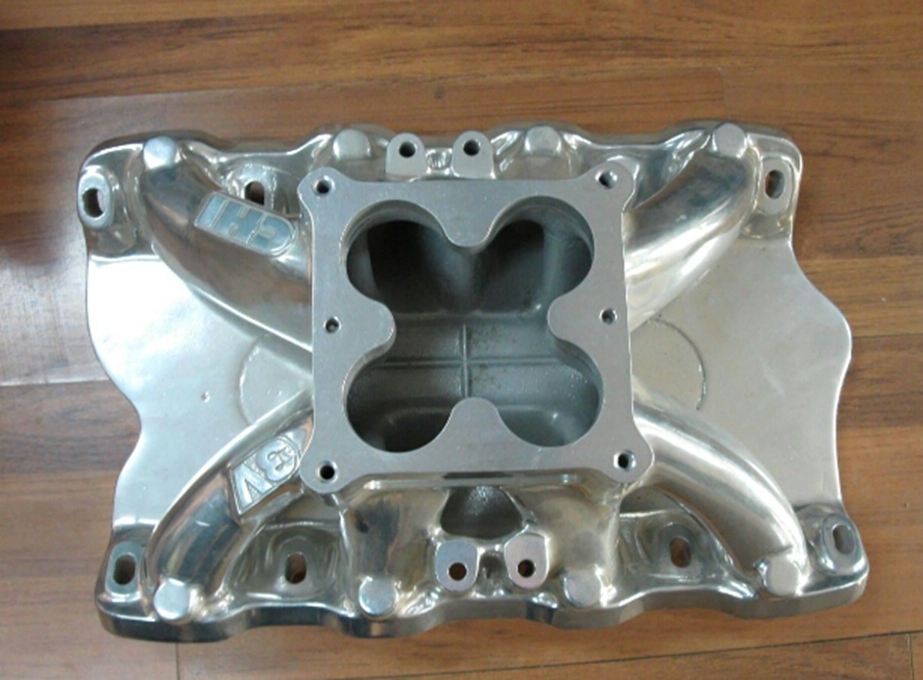
Nickel Alloy: A metallic material composed primarily of nickel (Ni), intentionally combined with one or more other alloying elements (such as chromium, iron, molybdenum, copper, cobalt, titanium, aluminum, etc.). The purpose of alloying is to achieve specific properties that pure nickel alone does not possess sufficiently. (Key Characteristics): Exceptional High-Temperature Strength and Stability: Many nickel alloys retain significant strength and […]
Advantage analysis of Bead Blasting
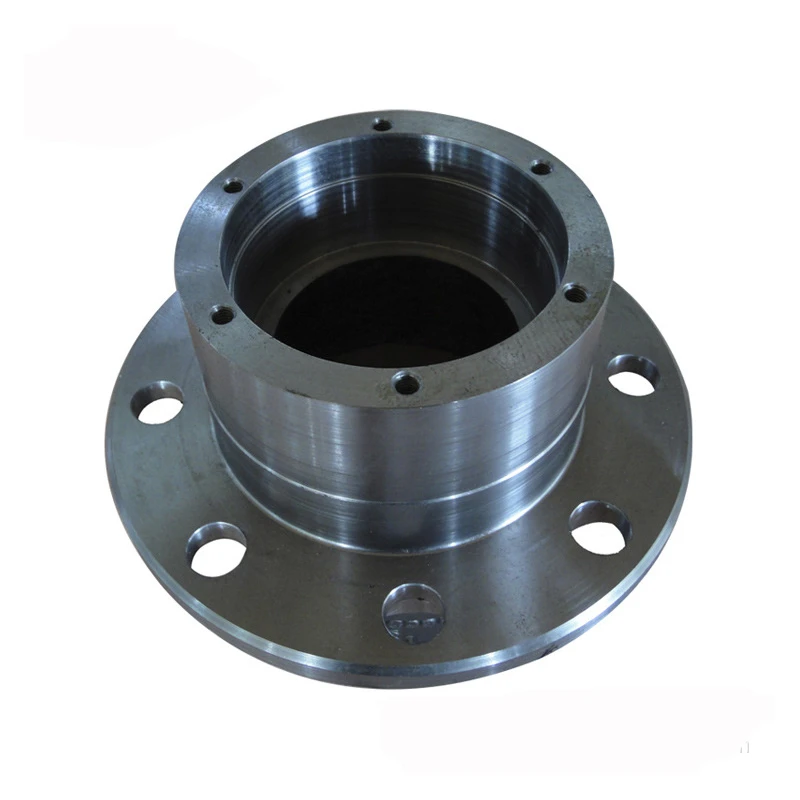
Bead Blasting Advantages Bead blasting is gentle. It won’t change the part’s shape or size. The finish looks better because it is uniform and polished. It is much safer because it doesn’t create harmful silica dust. Bead Blasting Disadvantages Bead Blasting is much slower because of low air pressure, which makes it less effective […]
Advantage analysis of Sand Blasting

Sand Blasting Advantages Sand blasting removes rust, paint, and buildup fast. The media is cheap and easy to find. It covers large areas in less time. It is very effective for rough surfaces as opposed to parts that need a smooth finish. Sand Blasting Disadvantages It is very aggressive and too harsh for thin […]
Key Standards and Concepts for Metal Part Surface Roughness

Here’s an overview of key standards and concepts for metal part surface roughness. Core Standards Organizations: ISO (International Organization for Standardization): The primary global source. ISO 21920-1:2021: Geometrical product specifications (GPS) — Surface texture: Profile — Part 1: Indication of surface texture in technical product documentation (Replaces ISO 1302:2002). This is the fundamental standard for specifying roughness symbols, parameters, and […]
Process Comparisons of Sand Blasting & Bead Blasting
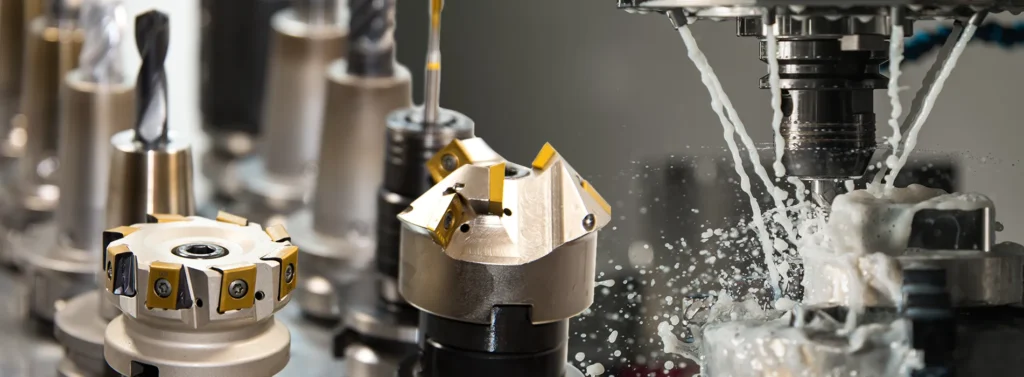
Media & texture Sand uses sharp, angular particles, which cut into surfaces. This makes it ideal for aggressive cleaning but also more likely to cause surface damage. Beads are round and impact the surface gently. They clean and polish without removing much base material. Pressure & speed Sand blasting uses higher pressures, making it faster […]
Equipment Used for Magnetic Particle Inspection (MPI)
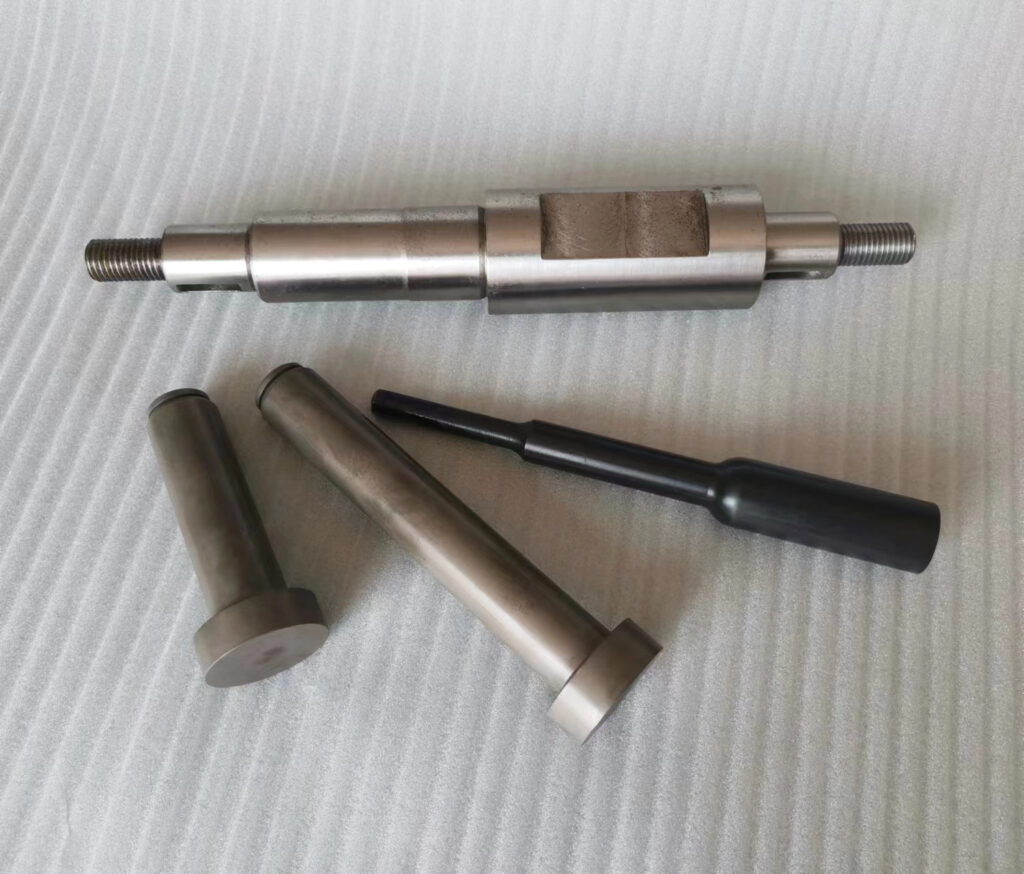
Here’s an overview of equipment used for Magnetic Particle Inspection (MPI), a non-destructive testing (NDT) method for detecting surface and near-surface flaws in ferromagnetic materials: Core Components & Equipment Types: Magnetization Power Sources: Portable Power Packs (Battery or Mains): Compact, versatile units (often 500A-10,000A output) for field use. Supply current for prods, coils, cables, or central […]
What Is Bead Blasting?
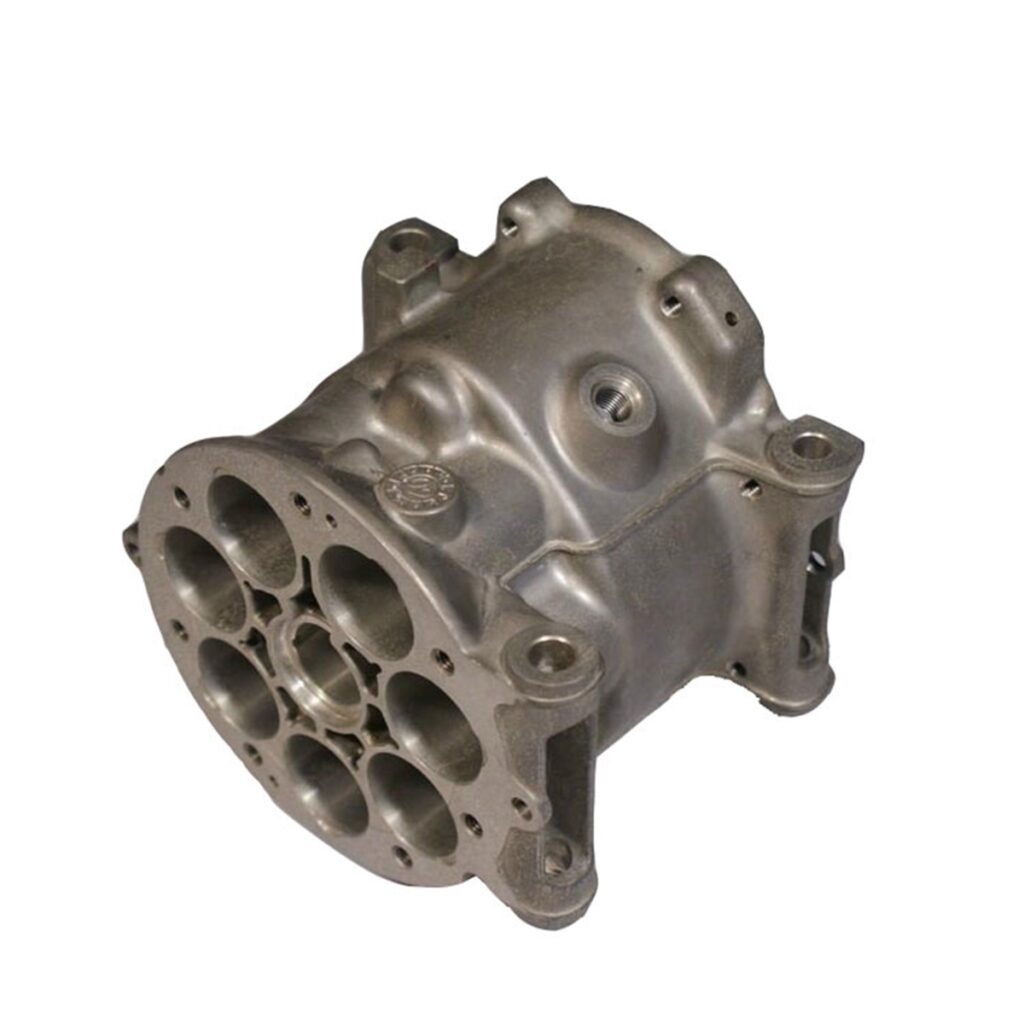
Bead blasting uses small, spherical beads, which are propelled under compressed air to gently clean or finish a surface. Media Types Glass beads are the most common media. They leave a soft, satin look. Ceramic beads are harder. They last longer and clean deeper. Plastic beads are the softest. They’re safe on plastic or […]
Magnetic Particle Testing (MT) Methods
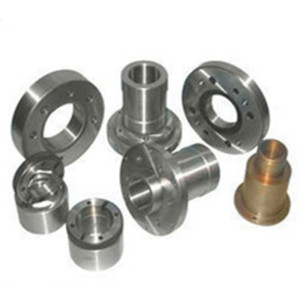
Here’s a detailed explanation of Magnetic Particle Testing (MT) methods for metal components: 1. Basic Principle Ferromagnetic Materials Only: Works on iron, nickel, cobalt, and their alloys. Magnetic Flux Leakage: When the component is magnetized, surface/near-surface defects disrupt magnetic field lines, creating “flux leakage.” Particle Accumulation: Magnetic particles (dry powder or wet suspension) cling to flux leakage zones, […]
What Is Sand Blasting?
Sand Blasting is the process of smoothing a surface with abrasive materials, like sand, ceramic grit, or aluminum oxide. The abrasive materials are pushed out at a high velocity with compressed air. Historical Context The origins of sand blasting trace back to 1870, when Benjamin Chew Tilghman patented the process. Since then, the technique […]