
How to Choose the Right Stainless Steel: Balancing Corrosion Resistance, Strength, and Cost for Your Application
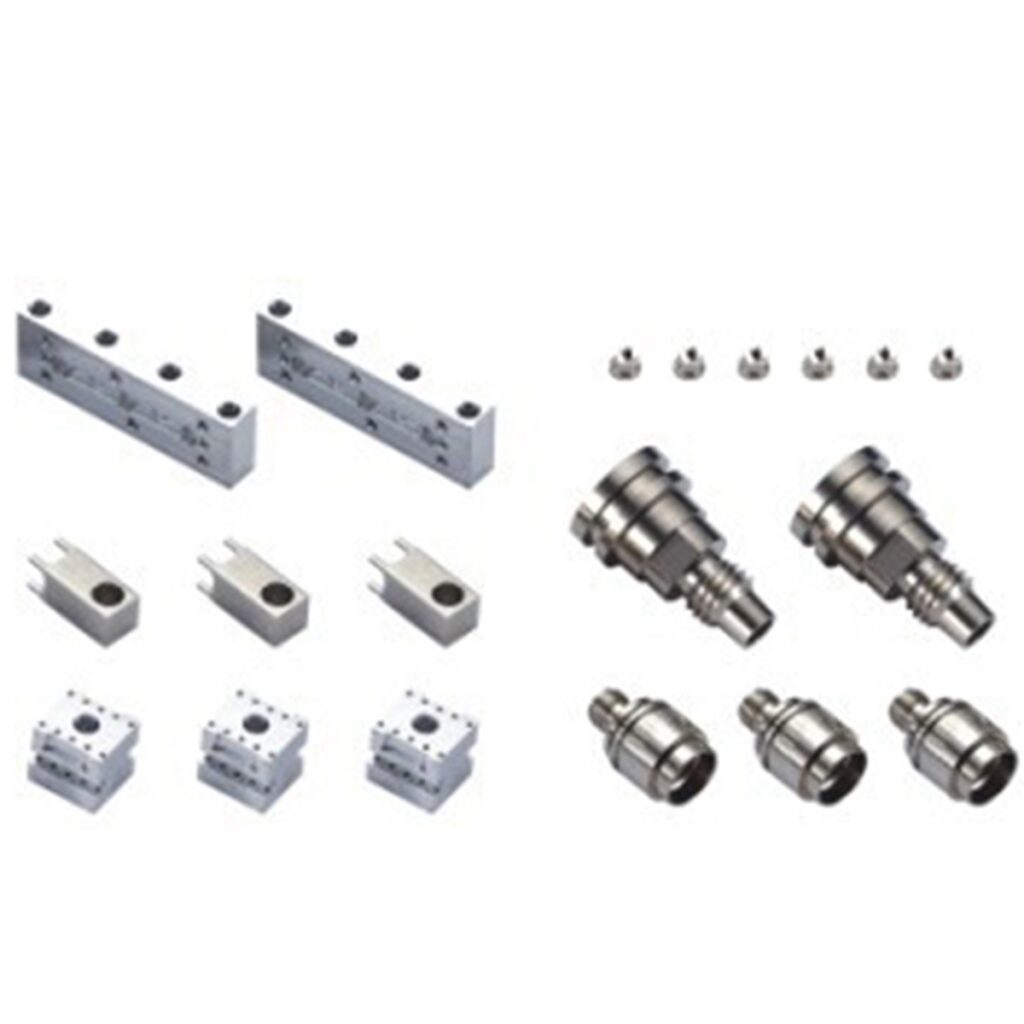
Choosing the right stainless steel grade involves evaluating several factors to match the material’s properties with your application’s requirements. Here’s a structured approach to guide your decision: 1. Assess the Environment Corrosion Resistance: 304 (A2): Good for general use (indoor, mild chemicals). Contains 18% Cr, 8% Ni. 316 (A4): Enhanced with 2-3% Mo for resistance to chlorides and […]
Common Types of Stainless Steel Materials
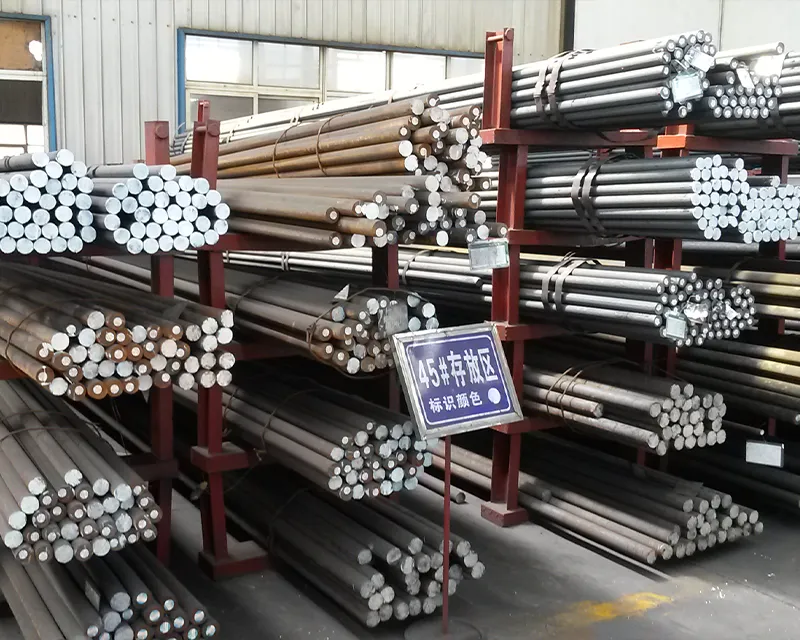
Austenitic Stainless Steel Common Grades: 304 (A2), 316 (A4), 321, 310 Composition: High chromium (16–26%) and nickel (6–22%), with some grades containing molybdenum (e.g., 316 has 2–3% Mo). Properties: Excellent corrosion resistance (especially in acidic or chloride environments for 316). Non-magnetic in annealed state (may become slightly magnetic after cold working). Good ductility and weldability. […]
What Machine Is Used To Bend Metal
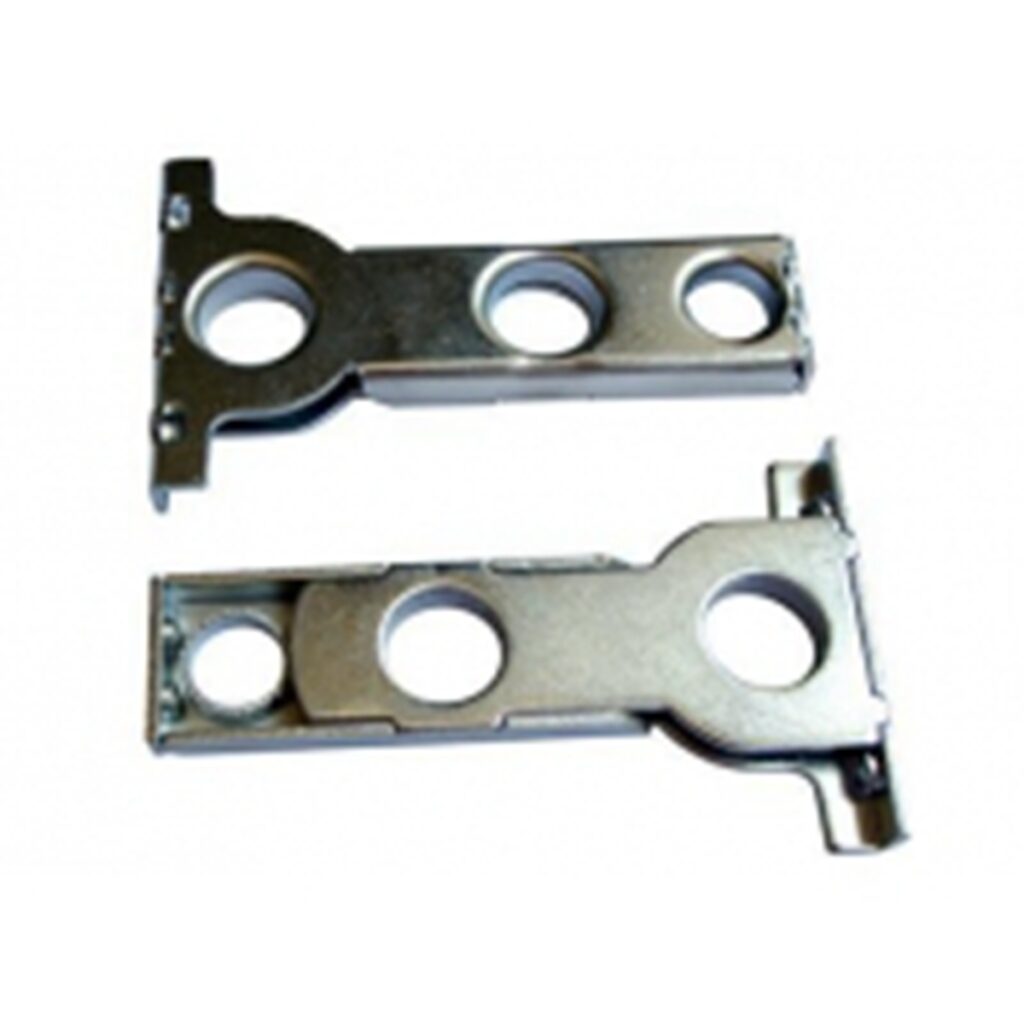
Various machines are employed in metal bending, each suited to different types of jobs. Manual bending brakes are common in smaller workshops and for simpler tasks, requiring physical effort but offering control and simplicity for straightforward bends. On the other hand, hydraulic bending machines provide power and efficiency for larger scale or industrial projects, utilizing […]
Essential Elements of a Metal Component Drawing
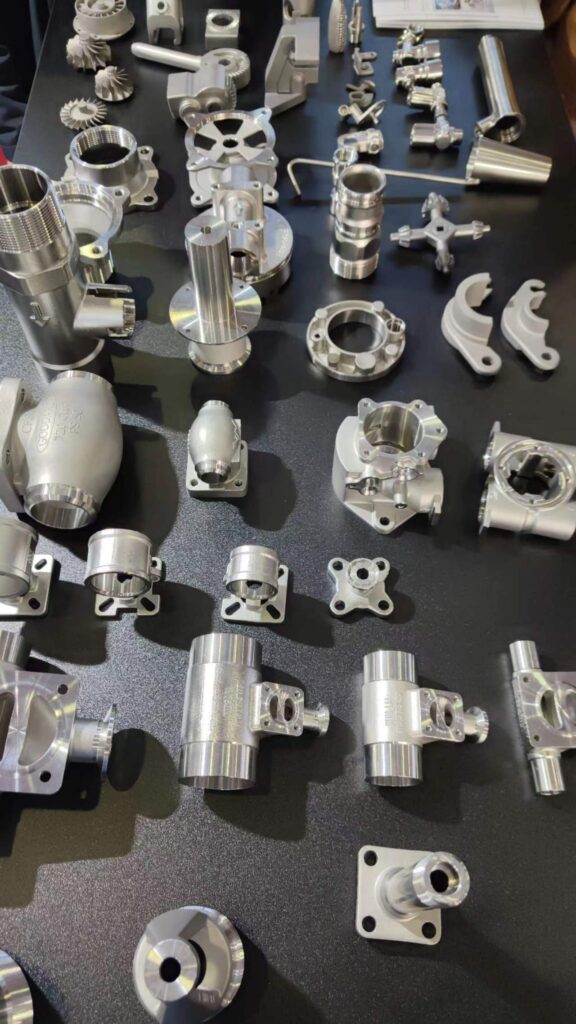
A metal component drawing should include the following essential elements to ensure clarity, manufacturability, and compliance with industry standards: 1. Title Block Contains critical information: Part name/number Material specification (e.g., “Stainless Steel 304”) Drawing scale (e.g., 1:2) Revision history (dates and changes) Company name, designer, and approval signatures. 2. Orthographic Views Primary views: Front, top, side, and […]
How To Bend Sheet Metal
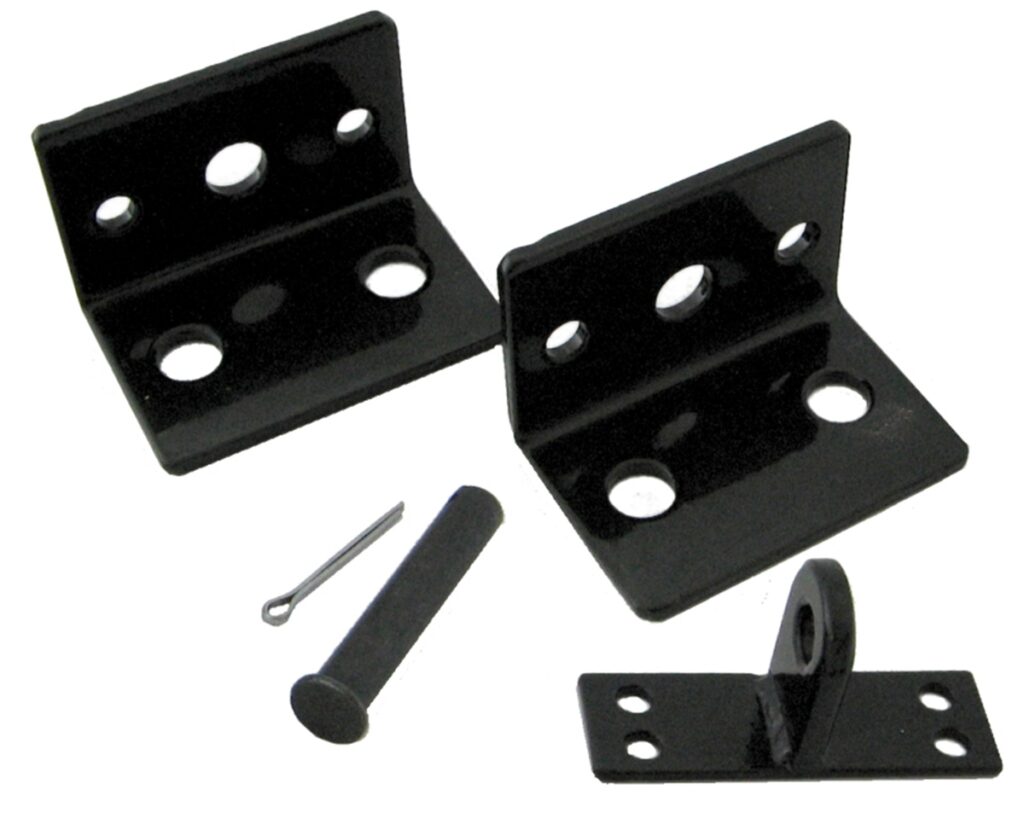
Bending sheet metal is a common practice in both industrial and craft settings, requiring precision and careful planning. Here’s a concise step-by-step guide on how to achieve effective bends: Preparation: Select the appropriate metal sheet based on your project requirements. Common choices include aluminum, steel, and copper due to their pliability and strength. Marking: Clearly […]
What is Metal Bending
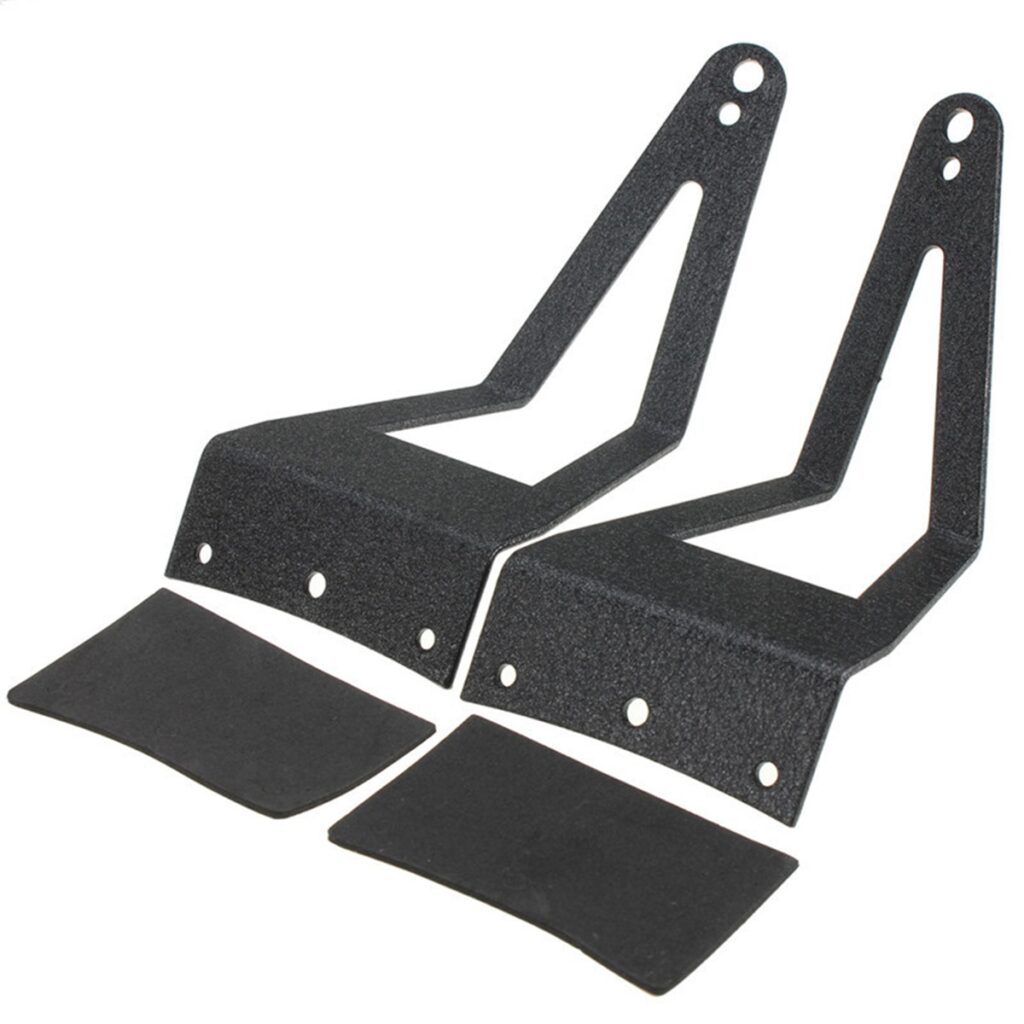
Metal bending is the process of deforming metal into a specific shape or angle by applying force without cutting the material. This technique alters the metal’s geometry, which can be achieved through various methods such as pressing, hammering, or folding, often using specialized tools and machinery. The origins of metal bending trace back to […]
Guidance for Custom CNC Machining Plastic Parts
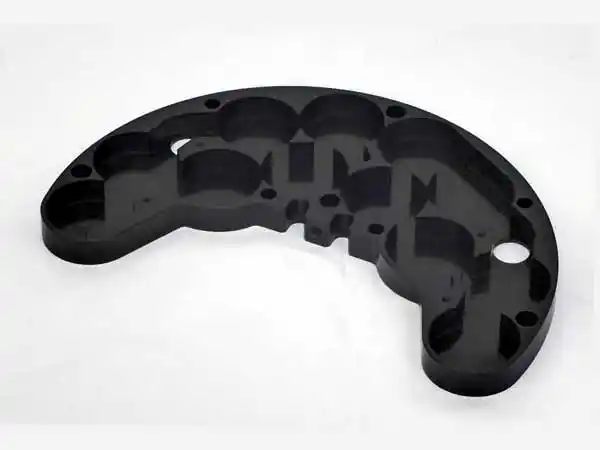
When engaging a manufacturer for custom CNC machining of plastic parts, follow these concise guidelines: Research and Repute: Choose a reliable supplier with the right background to manufacture plastic parts on CNC machining. Material Expertise: Select a firm that has history in serving the plastic material of your parts. Design Collaboration: Create a strong partnership […]
Zinc Plating Process
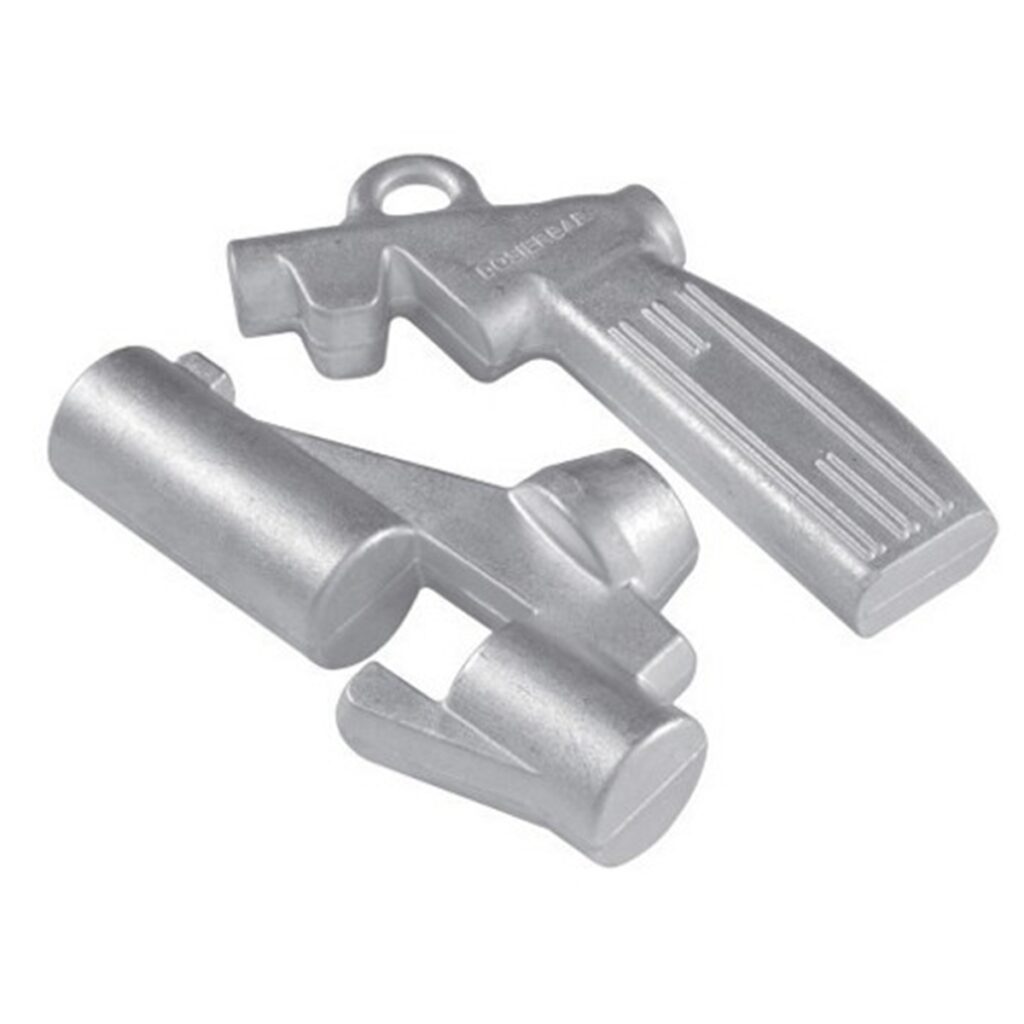
Zinc plating, also known as electrogalvanizing, is an electrochemical process used to deposit a thin layer of zinc onto the surface of metal substrates (primarily steel or iron) to protect against corrosion, improve aesthetics, and enhance durability. Below is a detailed breakdown of the process: 1. Purpose of Zinc Plating Corrosion Resistance: Zinc acts as […]
Acid Pickling Concentration in Hot-dip Galvanizing
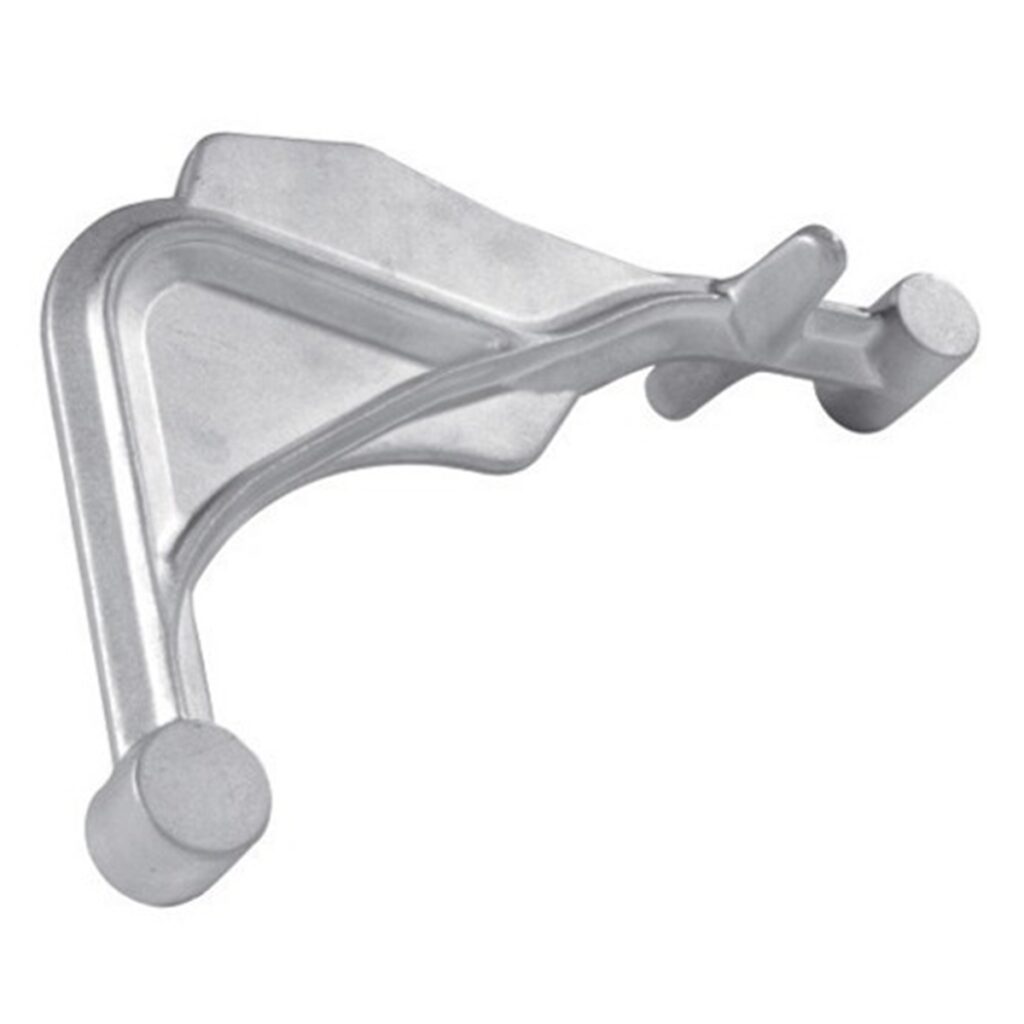
The acid pickling concentration in hot-dip galvanizing is carefully controlled based on multiple technical and operational factors. 1. Acid Type and Typical Concentration Ranges Hydrochloric Acid (HCl): Most commonly used in modern galvanizing due to faster reaction rates and reduced iron oxide sludge. Concentration range: 10–20% (by weight) in water. Operating temperature: 20–30°C (ambient to […]
Compare Plastic Injection Molding With CNC Plastic Machining
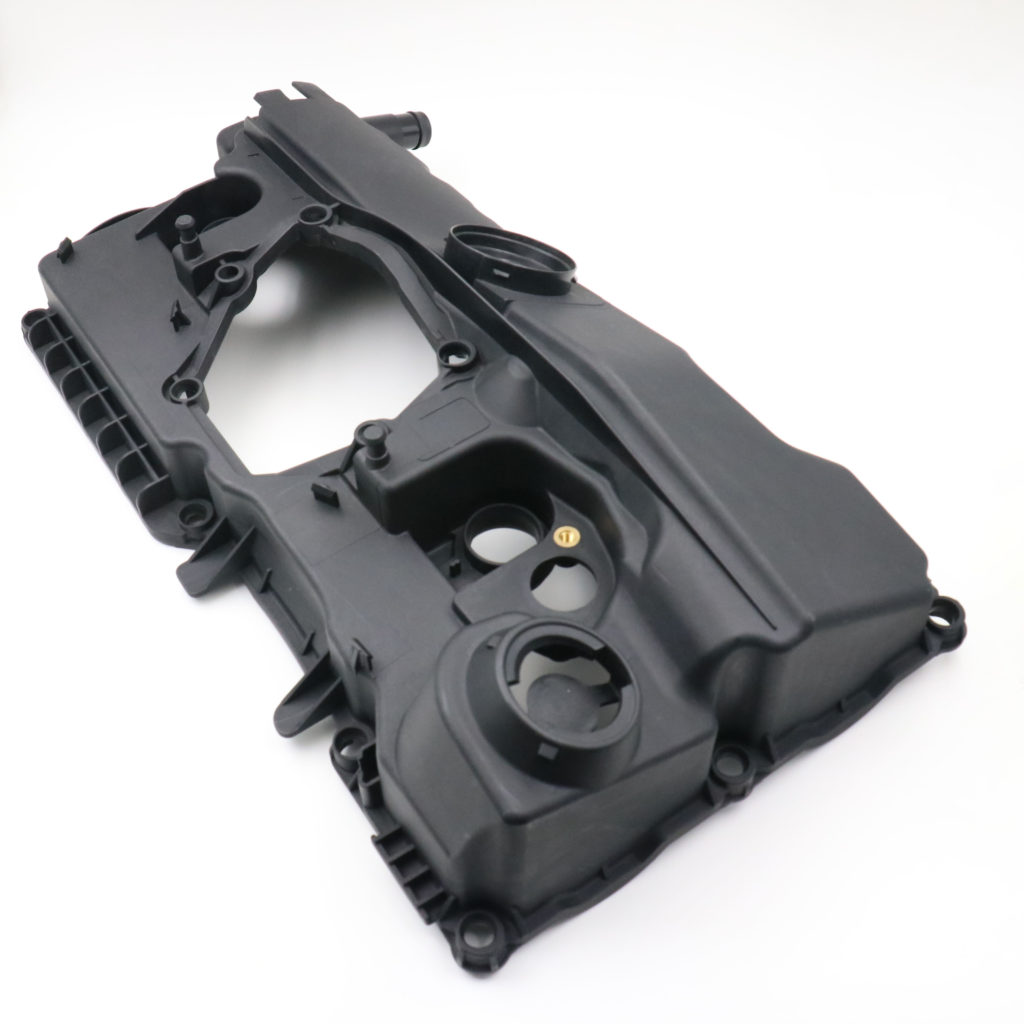
Plastic Injection Molding and CNC Plastic Machining are two separate processes that possess different benefits. Plastic Injection Molding produces molded plastic components from plastic pellets that are melted and injected into molds, allowing for high-volume production with complex shapes. Though upfront capital costs and mold creating time may be substantial, the process is cost-effective with […]