
Common Machine Tool Types
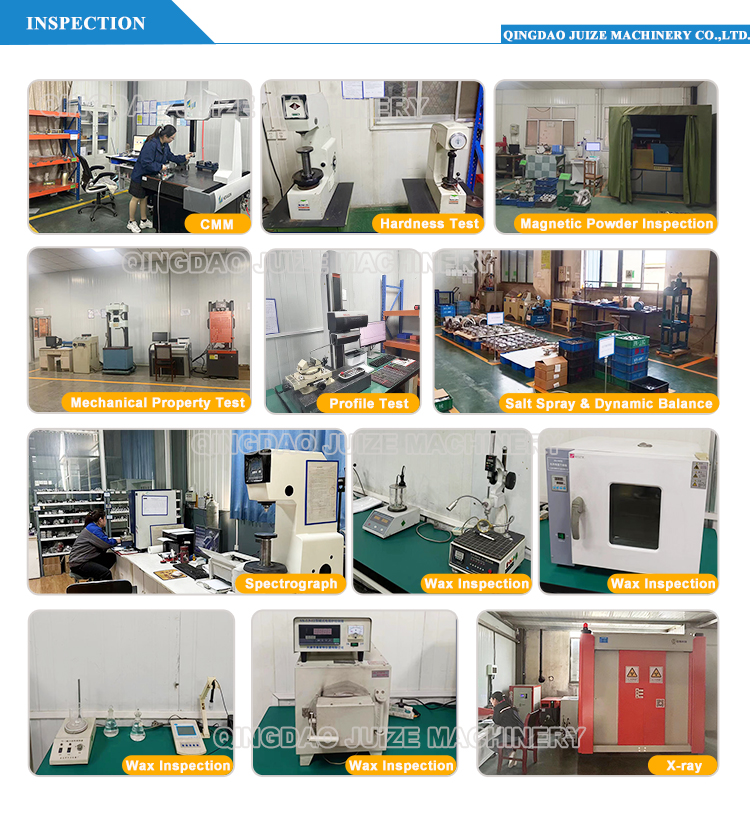
Here’s an overview of common machine tool types used in machining processes, categorized by their primary functions and technologies: 1. Conventional Machining Machines Lathe Used for turning operations: Rotates a workpiece while a cutting tool removes material to create cylindrical parts (e.g., shafts, bolts). Subtypes: Engine lathe, turret lathe, bench lathe. Milling Machine Employs rotary cutters to […]
Quality Control in Steel Investment Casting
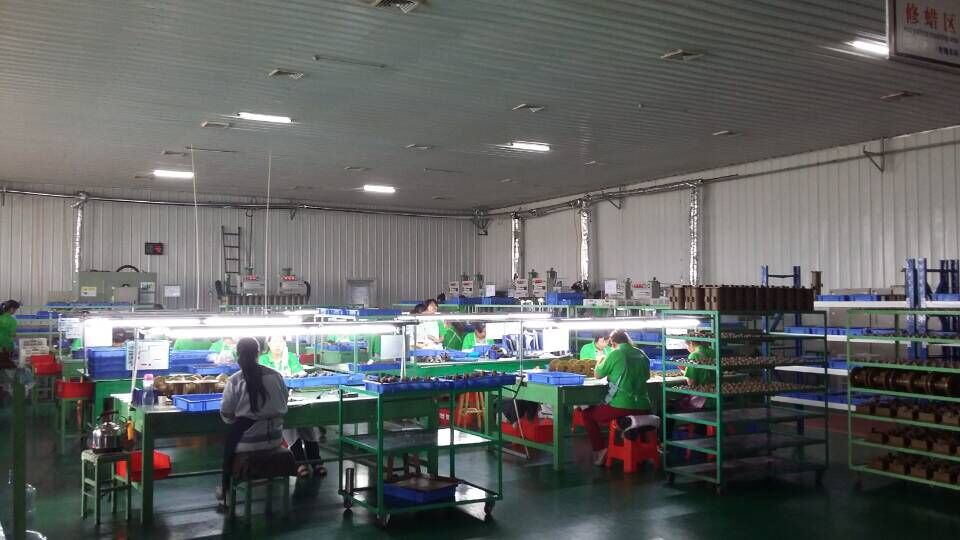
Quality control in steel investment casting is integral to ensuring precise and reliable components. The process begins with a thorough inspection of wax patterns, correcting any deviations from design specifications. Subsequent checks verify the ceramic shell’s integrity and uniform coating, with a keen focus on eliminating wax residues during the dewaxing process. Critical stages like […]
Implementation of Turn-Mill Compound Machining
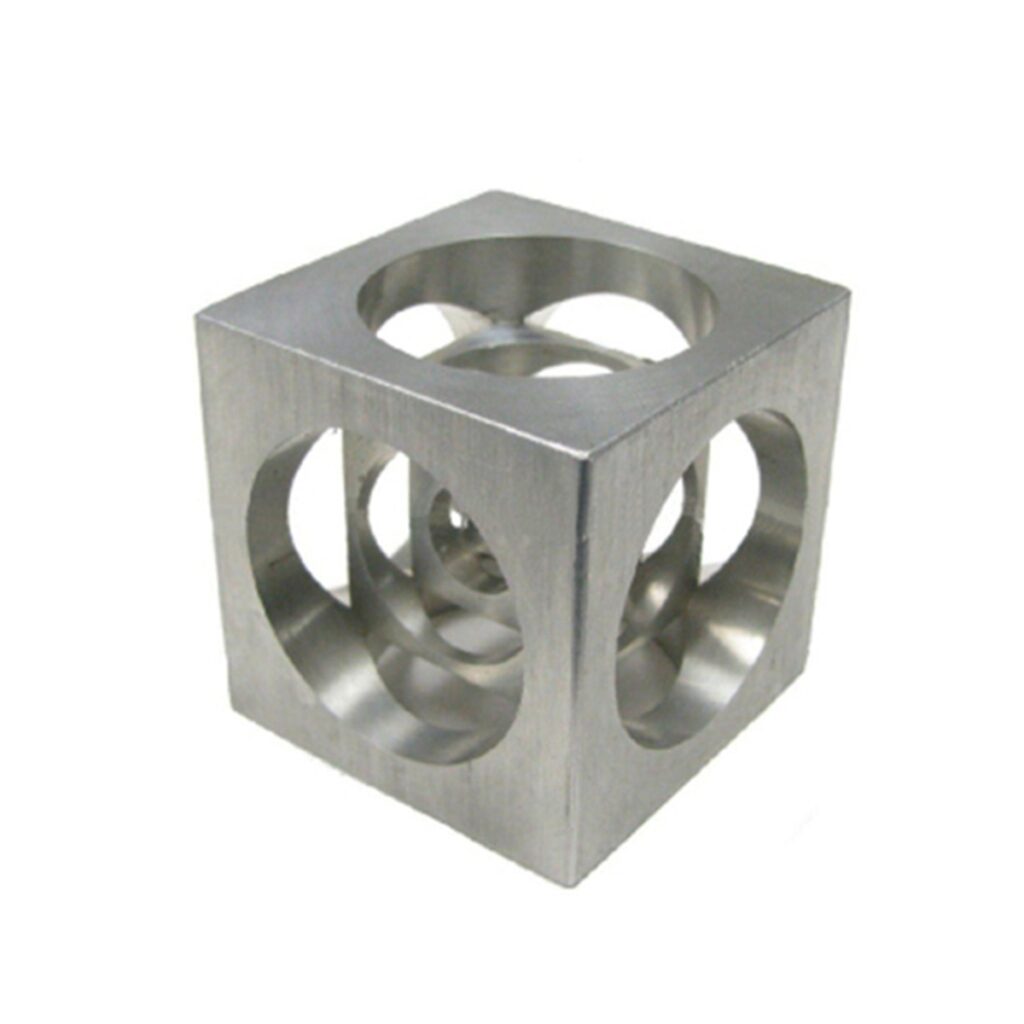
Turn-mill compound machining, also known as multi-tasking machining, integrates turning and milling operations into a single machine tool to perform complex part processing in one setup. Here’s how it is achieved: 1. Integrated Machine Architecture Multi-Axis Control: Modern turn-mill centers feature 5-axis or more capabilities, combining rotary axes (e.g., B-axis for milling head tilting) with linear axes (X, Y, Z). Dual […]
Types of Steel Used in Investment Casting
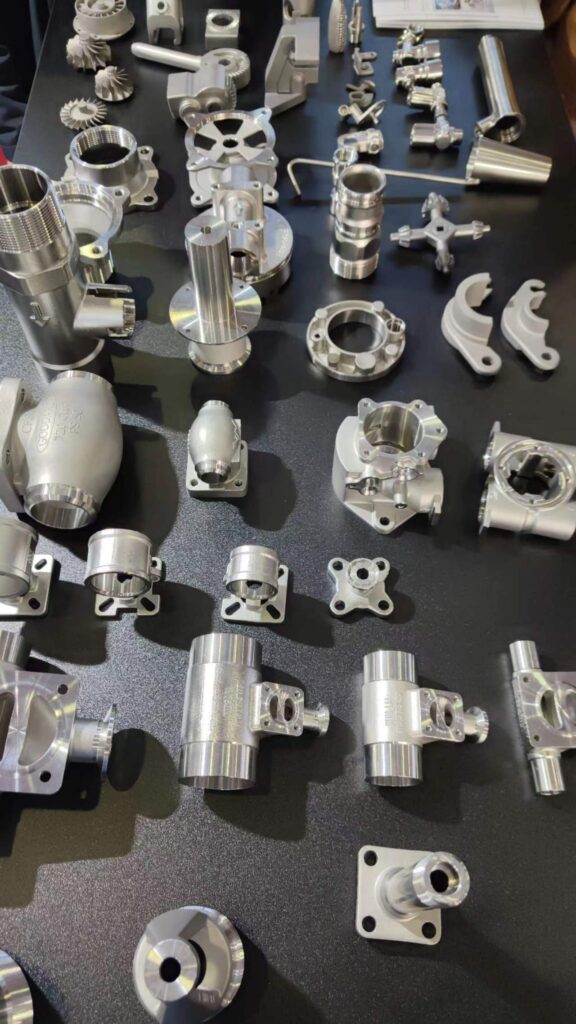
In investment casting, various steel types cater to diverse component needs. Choices, driven by specific product requirements, include: Carbon Steel: General-purpose use. Offers cost-effective strength. Alloy Steel: Enhanced properties with alloying elements. Improved strength, hardness, and corrosion resistance. Stainless Steel: Known for corrosion resistance and high-temperature tolerance. Different grades (e.g., 304, 316) offer varying properties. […]
The Investment Casting Process
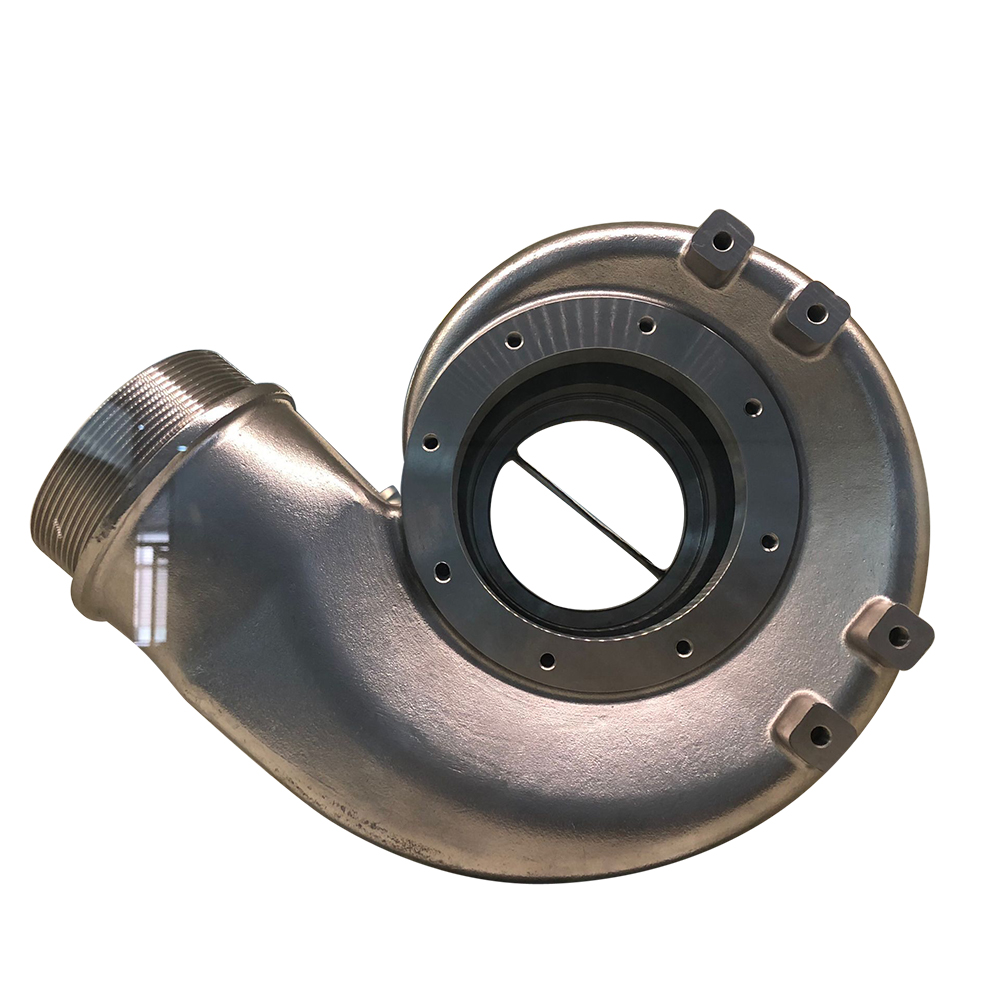
Here are the key steps involved in the investment casting process: Wax Pattern Creation: Injection Molding: Create wax patterns by injecting molten wax into molds. Pattern Assembly: Assemble wax patterns for the next casting stages. Shell Building: Coating: Apply ceramic coatings to the wax assembly. Drying: Thoroughly dry the coated pattern. Stuccoing: Reinforce […]
Balancing Dimensional Tolerances and Cost-Effectiveness in Component Design
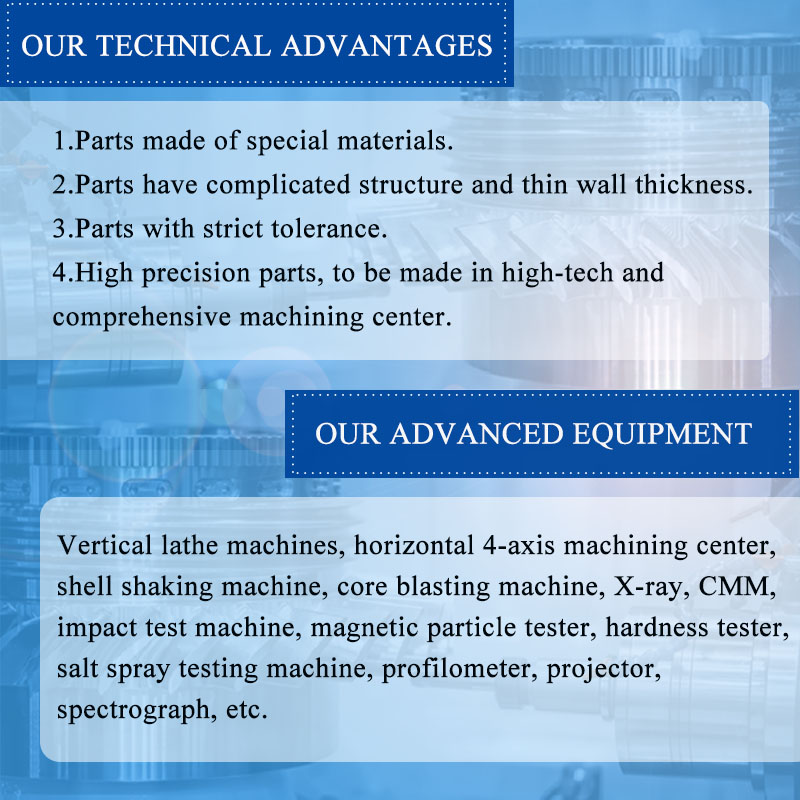
Achieving the optimal balance between dimensional tolerances and cost efficiency is a critical challenge in engineering and manufacturing. Here’s a structured approach to address this balance effectively: 1. Understand Functional Requirements Define Critical Features: Identify which dimensions or geometric characteristics (e.g., fits, clearances, mating surfaces) are critical to the component’s performance. Apply tighter tolerances only to these […]
Surface Treatment Options for Metal Parts
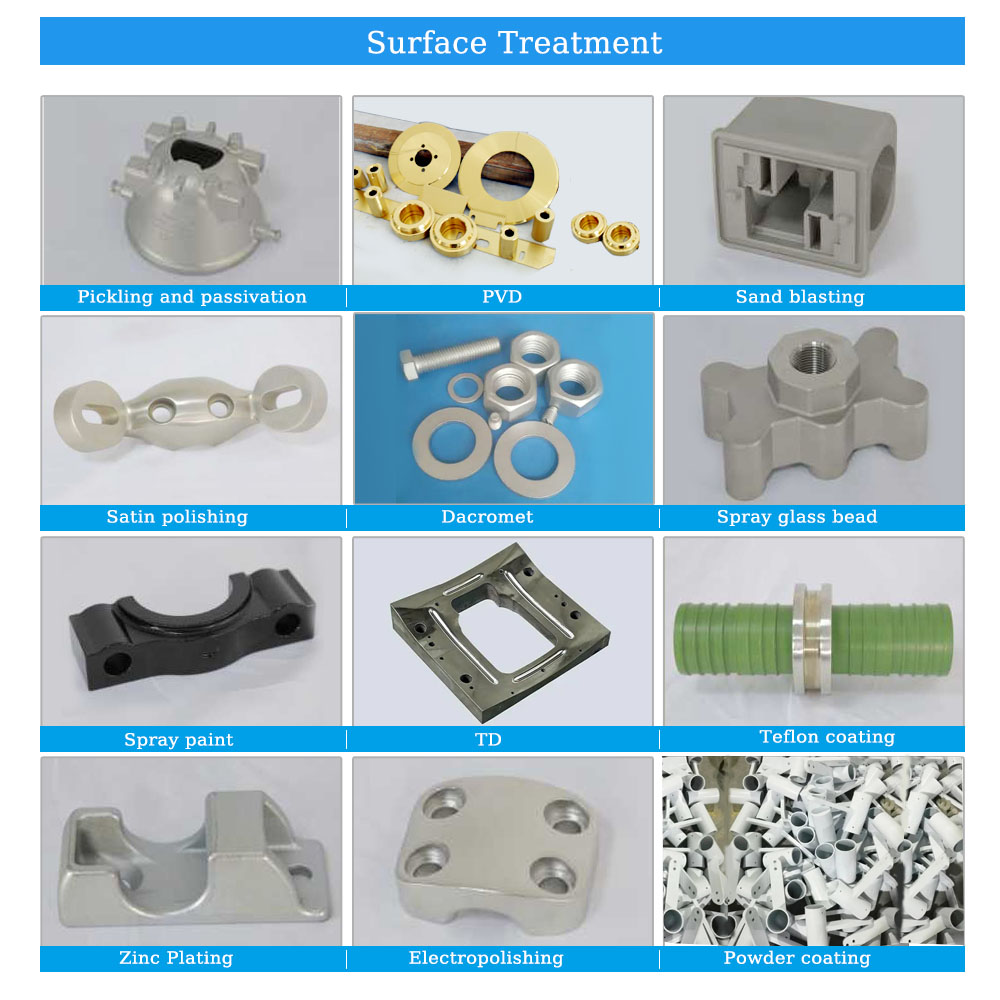
Here’s an overview of common surface treatment options for metal parts, along with their applications and characteristics: 1. Electroplating Process: Depositing a thin layer of metal (e.g., zinc, nickel, chrome, gold) onto the substrate via electrolysis. Benefits: Enhances corrosion resistance, improves wear resistance, adds aesthetic appeal. Common Uses: Automotive components, jewelry, electronics. Metals: Steel, copper, aluminum. 2. Anodizing […]
Compare Steel With Other Materials Used in Investment Casting
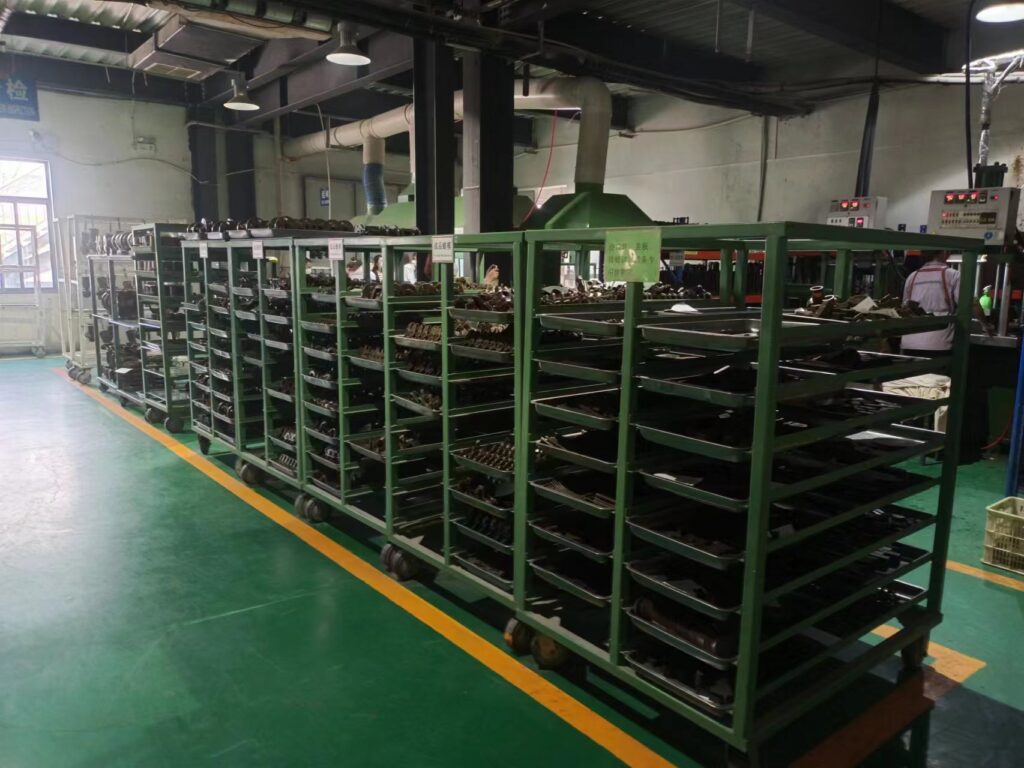
In the realm of investment casting, steel, known for its robustness, excels in strength, durability, and versatility. Offering excellent corrosion and heat resistance, its machinability and recyclability contribute to its appeal. While initial tooling costs may be higher, the long-term benefits in durability and material efficiency often offset this. However, the choice between steel and […]
Advantages of Investment Casting
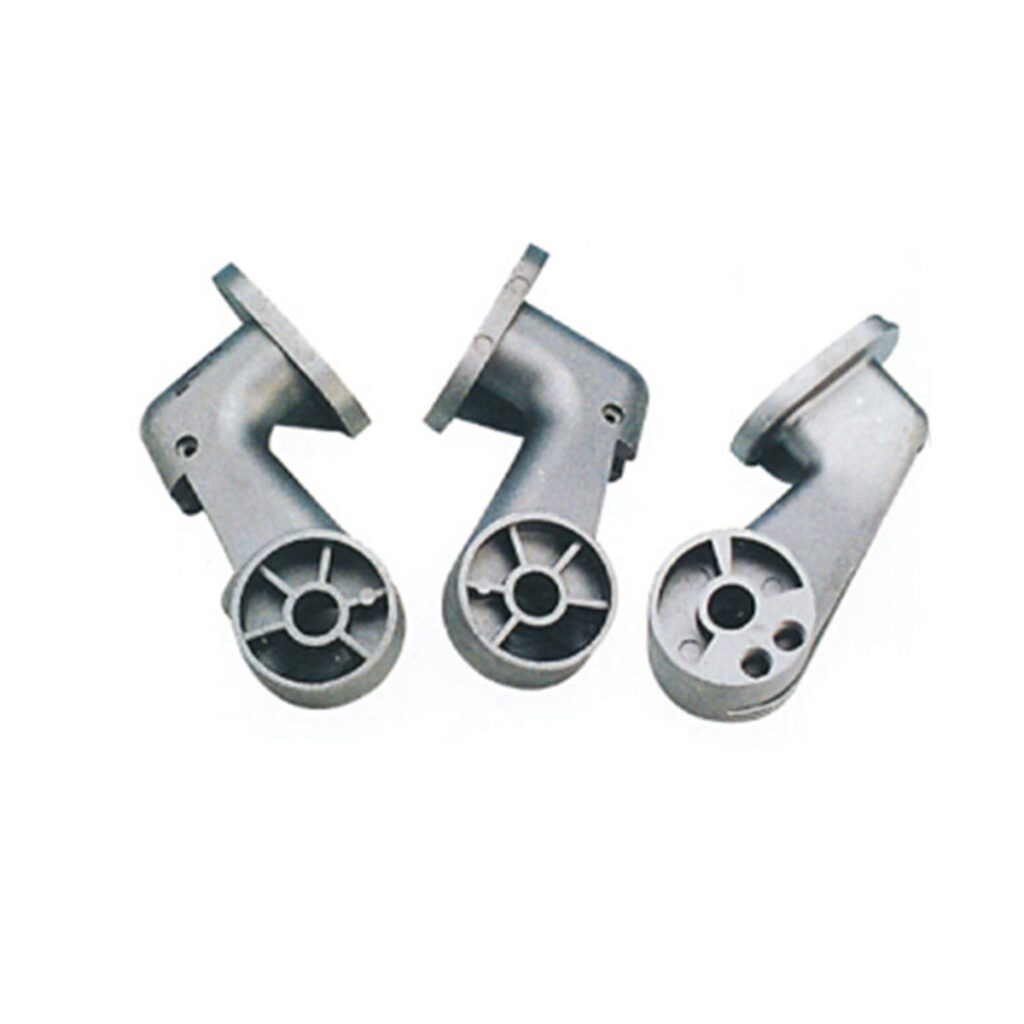
Investment casting offers a plethora of advantages that set it apart in the world of production processes. Let’s delve into the key merits that make investment casting an exceptional choice for creating intricate and finely detailed components. Precision and Intricacy: Unmatched ability to reproduce complex designs with tight tolerances. Design Flexibility: Adaptable to a range […]
Essential Elements of Technical Drawings for Custom Metal Parts
When creating technical drawings for custom metal machined parts, the following essential elements must be included to ensure manufacturability, clarity, and compliance with industry standards (typically following ASME Y14.5 or ISO 1101): Title Block Part name/number Material specification (e.g., ASTM A36 Steel, 6061-T6 Aluminum) Scale (e.g., 1:2) Company information Revision history (with dates and […]